The Uncanny Valley Effect: Why Brands Need Real People
There is currently a tipping point in the world of images: AI is no longer just "good enough for a mood board," but often so photorealistic that many people can hardly distinguish it from real photos. Models like Google DeepMinds Nano Banana Pro advertise precisely this: high-quality generation, precise editing control, higher resolution, better text representation.
This sounds like a dream for marketing teams – and at the same time marks the start of a trust crisis: If theoretically everything can be fake, viewers may assume it's fake by default. Institutions and studies on the deepfake topic also warn against this: The line between real and synthetic is blurring – and this undermines the credibility of digital content as a whole. The strategic question is therefore not: "AI or photography?" But rather: "How does our brand remain credible when no one automatically trusts images anymore?"
The New Sweet Spot
- AI becomes photorealistic (and thus harder to recognize).
- This creates skepticism: "Could be that it's all generated."
- The solution is hybrid: real people/real moments as proof & relationship + AI for look, variants, composings.
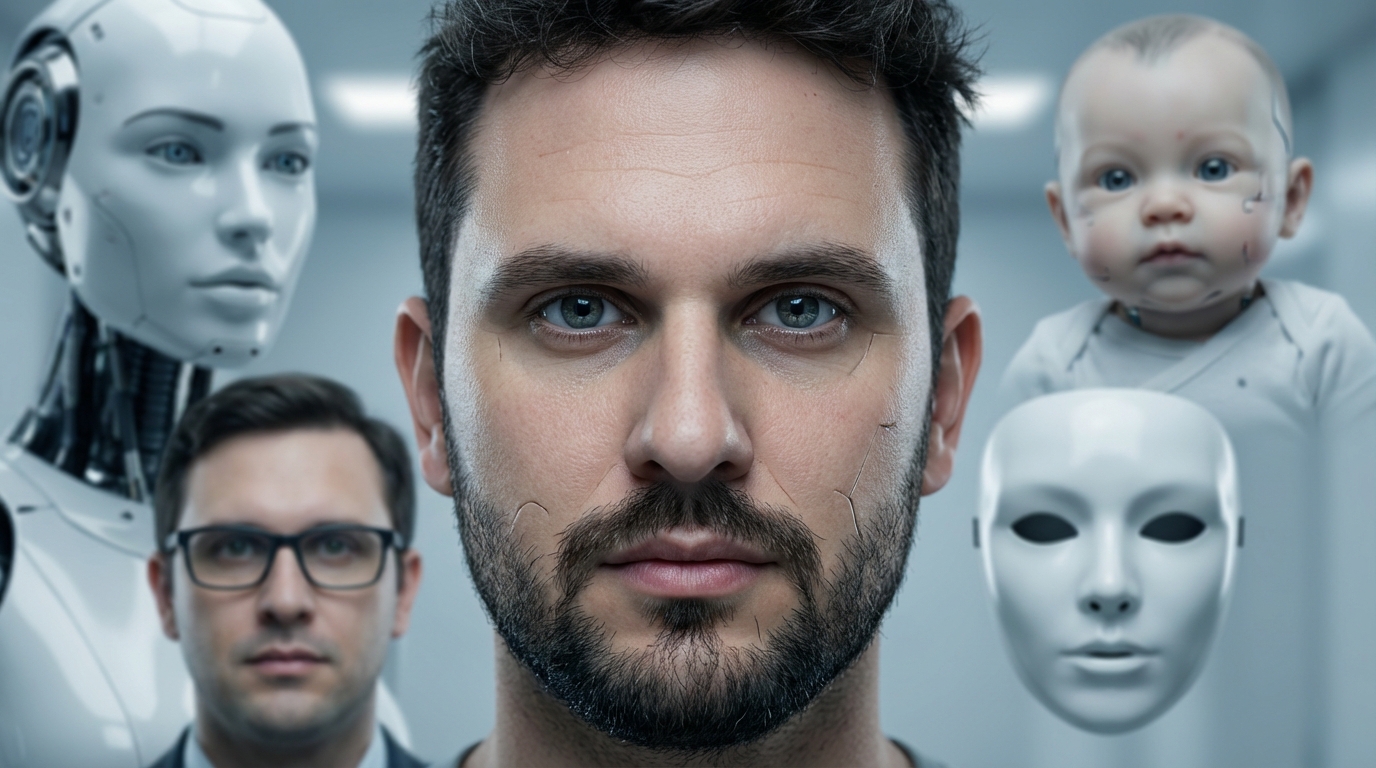
Uncanny Valley 2026: No longer "too bad," but "too close"
The "Uncanny Valley" effect describes why something that is almost human sometimes disturbs us more than something obviously artificial: Small deviations suddenly seem "creepy."
You know the feeling: You see an image – and it looks almost real. But something is off. The skin is too smooth, the eyes "empty," the smile seems frozen. You can't immediately name it, but your gut says: fake.
This is exactly what the "Uncanny Valley" effect describes. Masahiro Mori formulated it back in 1970 for humanoid robots: The more human-like something becomes, the more sympathetic it appears – until just before "perfect." Then the reaction suddenly shifts to discomfort.
With generative AI, this valley has now arrived right in the middle of marketing.
Why "AI Aesthetics" Quickly Cost Trust
Our perception is ruthlessly good at "reading" people – micro-expressions, skin texture, light behavior, small irregularities. When an image wants to be real but misses the mark in a few places, a signal is triggered: eerie, creepy, uncanny.
Research on the Uncanny Valley shows exactly this negative reaction to "almost human" artifacts – and that it can make interaction and trust more difficult.
In the brand context, there's another factor: When imagery appears "too perfect" and simultaneously generic, it is not perceived as high-quality – but as interchangeable. And interchangeability is poison for brand trust.
Interesting (and relevant for decision-makers): Studies in the business/marketing context find indications that AI-generated images can undermine trust in companies – especially when people "sense" the use of AI or experience it as impersonal.
And here's the crucial point for brands: The more realistic AI becomes, the more often you end up on this narrow edge – not because AI is "bad," but because expectations of authenticity are rising. When an image claims "this is a real person / real team / real product," it must be 100% true. 98% is often not enough.
The Narrow Edge: Why "replicating me 1**" is often more uncanny than "abstractly stylish"**
Many are currently experiencing the following (perhaps you know it yourself):
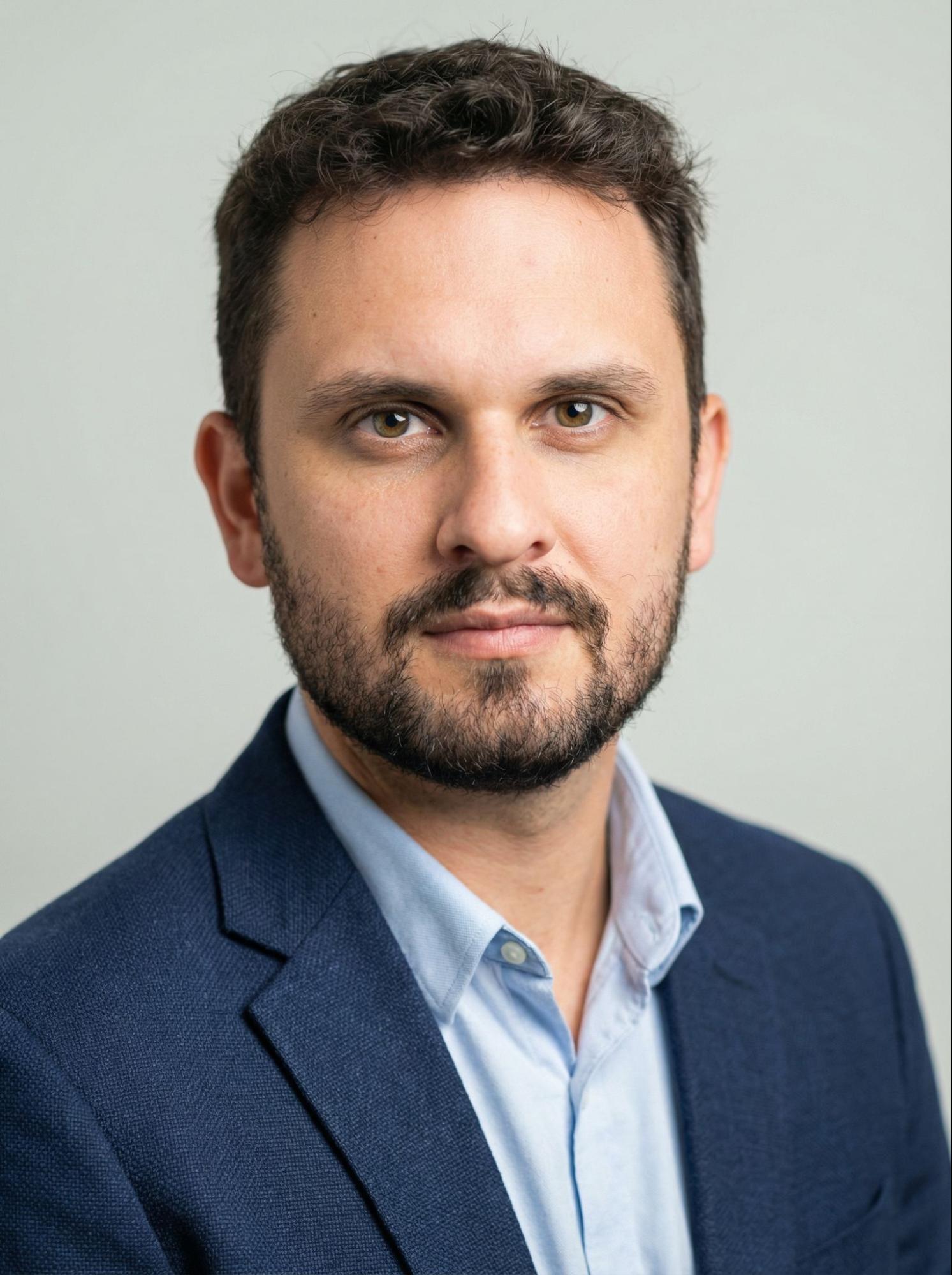
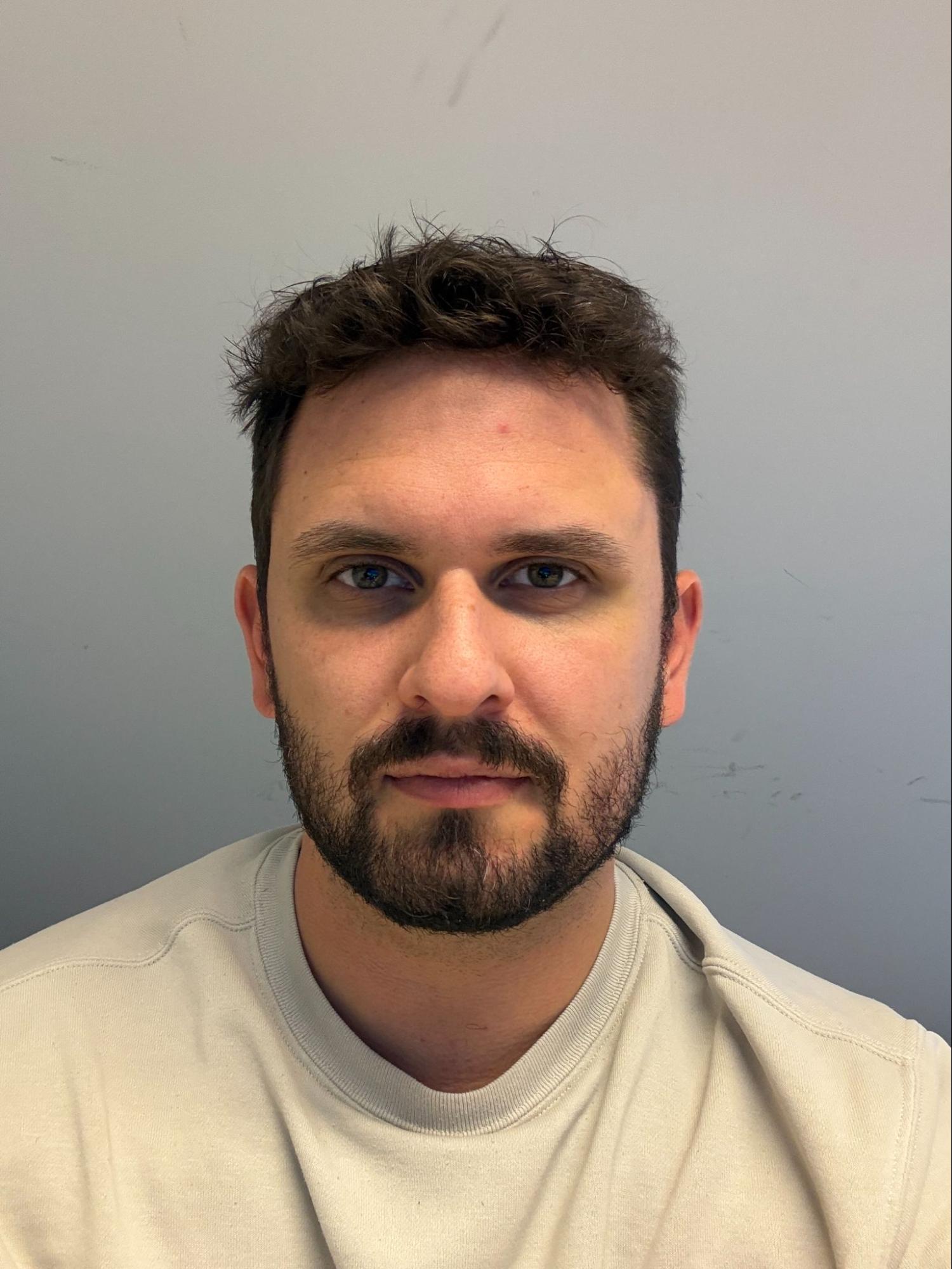
You take a smartphone photo, feed it into an AI tool, and want a perfect business headshot. Technically, this often works impressively well. And yet, this strange feeling arises:
- "That's me ... but somehow not."
- "The eyes look like mine – but emptier."
- "The smile is mine – just a tad too smooth."
- "I look like me on my best day ... just unrealistically."
Psychologically logical: The stronger the claim "exactly me" is, the more noticeable every mini-deviation becomes. That's when the Uncanny Valley strikes.
Paradox: When the representation is intentionally a bit more abstract (illustration, analog film look, clear stylistic signature), our brain forgives more. Then it's "art/style." But if it wants to be "reality," it must be reality.
What Companies Should Do Now (and What Not to Do)
Do: Actively Make Trust "Provable"
When "images = potentially fake," trust signals are needed that AI cannot easily replicate:
- Show real employees and real locations (not generic AI teams).
- Integrate behind-the-scenes & making-of: short clips, set photos, mini-interviews.
- Consistency over time: recurring people, real series, real moments (not just single key visuals).
- Consider provenance: Watermarks/content credentials/verification processes become more important (this is also politically/regulatorily in motion).
Don’t: Use "Hyperrealistic Self-Doubles" as Standard
- No AI "twins" for employees as the core of brand communication.
- No "perfect" AI recruiting team that doesn't exist.
- No image worlds that simulate reality instead of showing it.
Why? Because the risk increases that viewers feel exactly that: "Looks like AI – who should I trust here?" And then not only is the image damaged, but the brand.
The Hybrid Approach: Photography as Trust Layer, AI as Style Layer
This is the path that is most stable in practice:
Photography: Substance, Relationship, Proof
- real people = real culture
- real interaction = real emotion
- real products = real details
AI: Styling, Variants, Composings – without Faking Identity
- Style Transfer: Quickly apply campaign look to real photos
- Background/Set Optimization: tidy up, expand, unify
- Format Variants: Social, website, ads without complete reshooting
This creates what we like to think of internally as "Custom Hybrid Photography": not stock, not AI plastic – but real + campaign-capable.
A Shoot is More Than "Taking Pictures" – It's Cultural Work
Especially now, when many people are wondering what AI is doing to their job, a production can achieve something very human:
- Belonging: "I am part of this company – and I am seen."
- Appreciation: "My work is important enough to be shown."
- Team Spirit: When colleagues play scenes together, connection is created.
- Identification: Visibility (internally and externally) strengthens the bond with the company.
This is not just a gut feeling: Research on organizational identification describes exactly this emotional connection to the company as a relevant factor, and visual communication/photography can play a role in this – also with regard to team spirit and commitment.
The Role of the Photographer is Changing: From "Executor" to Art Director (and Human Anchor)
In an AI world, the added value is not just camera + technology, but:
- Alleviating fears ("I'm unphotogenic", "I hate photos")
- Reading people, guiding, providing security
- Creating situations that seem real (not staged)
- Bringing out the true identity of a company – instead of a polished ideal

In short: The photographer becomes more of a director, coach, and translator of the brand into images.
And that's exactly the point: Companies that want to convey values like authenticity, honesty, truthfulness to the outside world will not win in the future with "perfect" images – but with credible images that still look modern.
Conclusion: When Everything Can Be Fake, Authenticity Becomes Strategy
AI will continue to improve – and tools like Nano Banana Pro show how quickly photorealism and editing power are growing.
Precisely for this reason, pure generation is becoming riskier for many brands: It can impress in the short term, but cost trust in the long term. The most sustainable way is the hybrid:
Real people + real moments (Trust) and AI for look & scaling (Style).
Philipp BachhuberFoto / Video