Take Two: Medienstürmer Produces Video for Seeon Abbey
After our last video production at Caritas Kinderdorf, the next shoot promptly followed: A short film journey to present the annual monastic market at Kloster Seeon in a special light. Of course, we couldn't closely portray all 50 exhibitors from the Chiemgau region. However, from the selection we made, we produced a short film that offers exclusive insights into the production process of regional products and the event calendar of Kloster Seeon.
The challenge: to shoot a roughly 15-minute video about Kloster Seeon, specifically about the monastic market, which annually brings together regional producers and manufacturers at Lake Seeon to make their products and services accessible to a broad audience.
Thus, our producers and editors quickly agreed: To gather exclusive video material, a single visit to the monastery would not suffice. Instead, the idea matured to visit some of the exhibitors of the monastic market on-site and get a firsthand look at the manufacturing processes, their regionality, and exclusivity — or rather, capture impressive images for the camera.
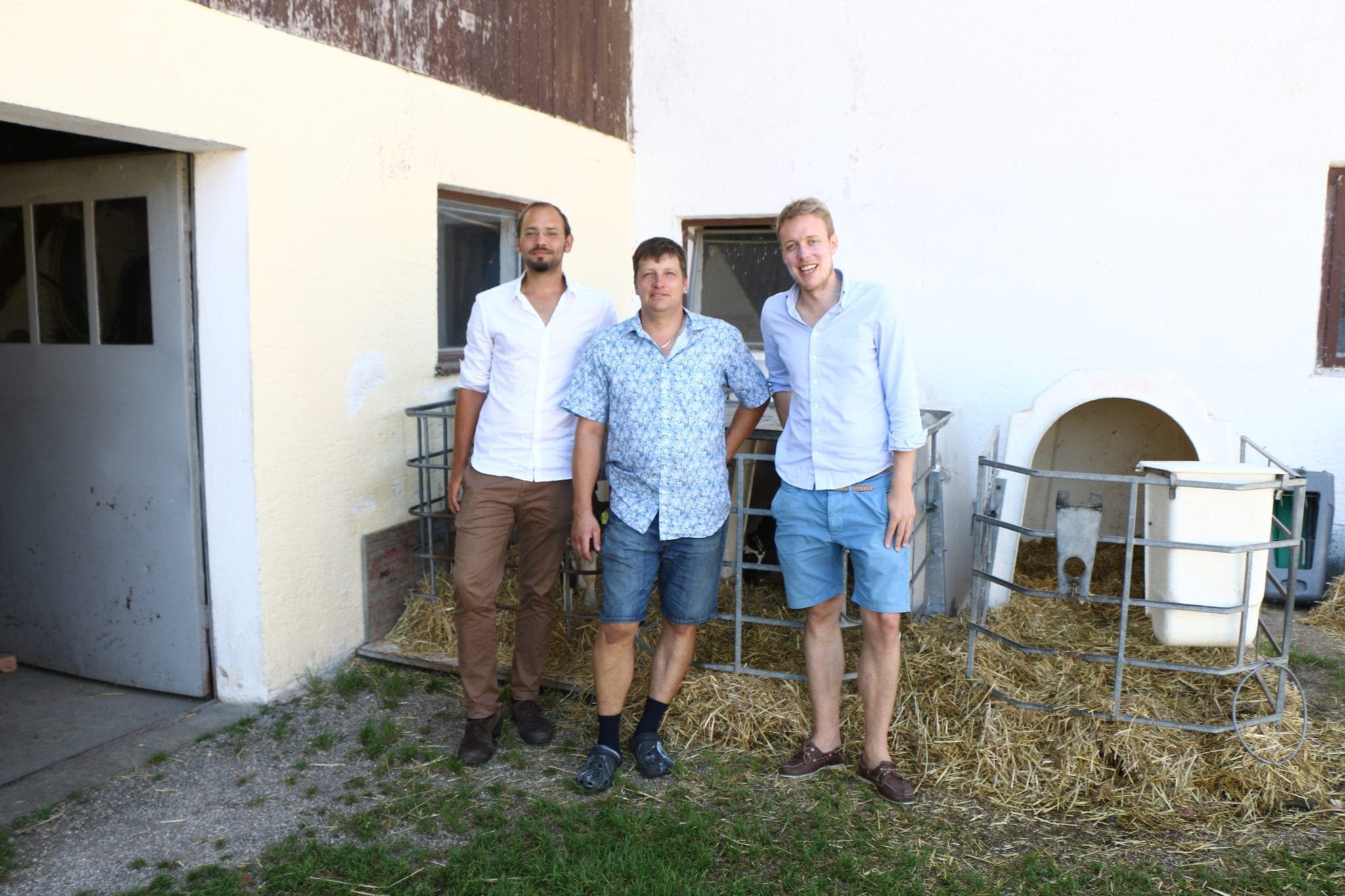
After several discussions, phone calls, and scheduling arrangements, we ultimately decided on three exhibitors who have strong regional roots and offer great products that you can truly only get on-site:

Hans Peter Barth, who produces ice cream with regional ingredients.

Stefan Haunberger (Managing Director) and Anton Milkreiter (Brewmaster), who run the Steiner Brewery, known beyond the Bavarian borders.

Christa Kutschera, who creates her own tea blends from select ingredients in Bad Aibling.
Our small film journey first led us to Tyrlaching to get a closer look at the production process of the so-called farm ice cream. The extensive conversations with the experienced farmer, who is in the process of converting his entire farm to organic agriculture according to the high Demeter standard, were also interesting. Once all the cows, calves, and ice cream machines were captured, we moved on to the "wettest" stop on our little journey through the Chiemgau region.
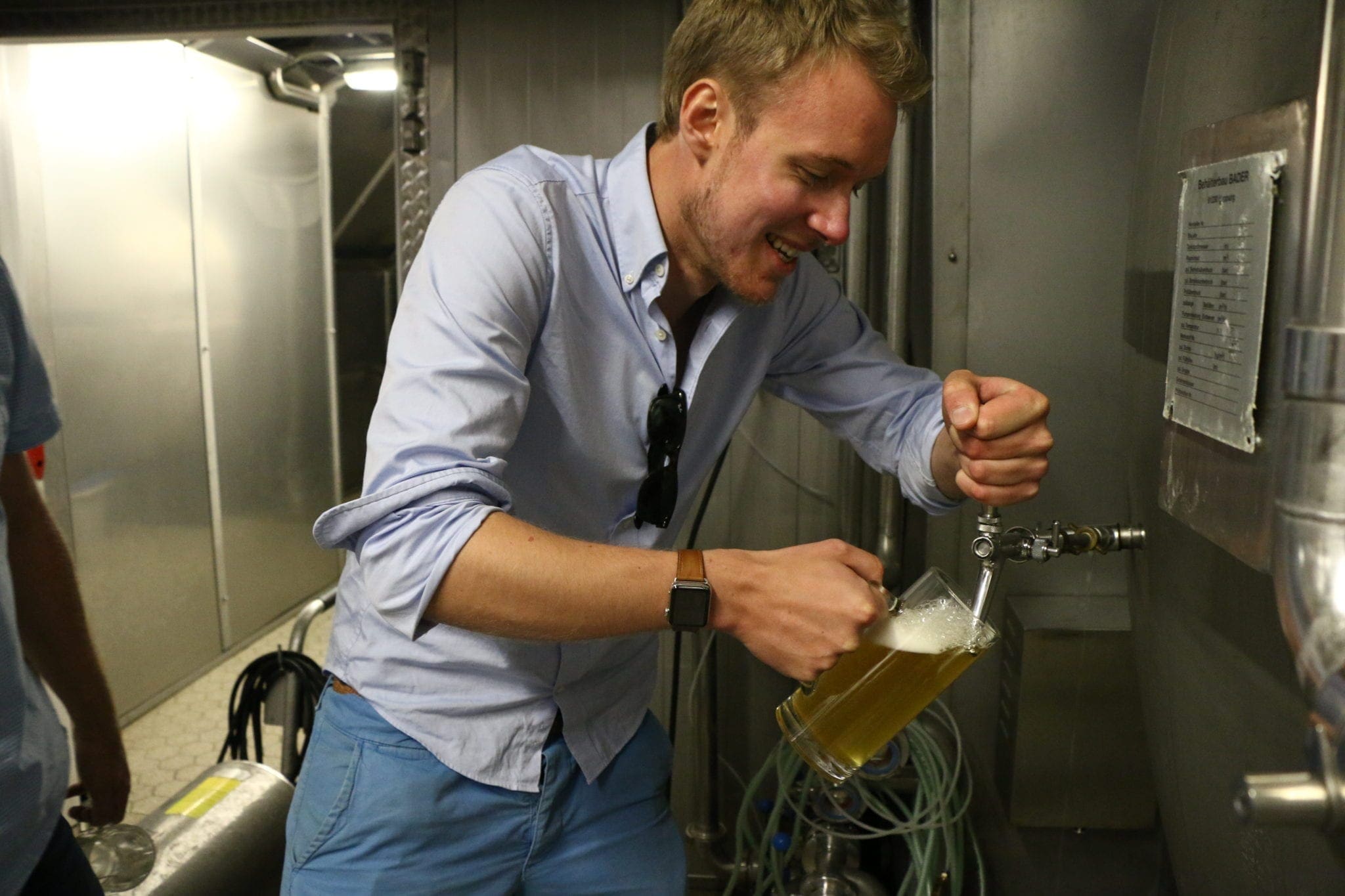
It's never dry in a brewery — not even in the Stein Brewery. They even produce their own electricity by using the nearby river as an energy source. In general, as we learned, the brewmaster and managing director are rightly proud of their "sustainable cycles", which they establish together with their suppliers based on ecologically sensible criteria. To name just one of many examples: After the grain, which is naturally purchased from regional producers, has fulfilled its primary purpose of producing beer mash, the remaining residue — called spent grains — is returned to the regional suppliers as animal feed.
Aside from that, the brewery has a lot to tell about its history. After all, this business for beer production is the oldest brewery in the Chiemgau region. It has maintained a close connection with Kloster Seeon, which continues to this day. We were able to see for ourselves the extensive product range and, of course, taste various beers — including several organic beers.
Kloster Seeon itself was our next stop, as there was much visual material and impressive atmospheres to capture there as well. The extensive conversations with the head of cultural offerings at Kloster Seeon quickly showed: The monastic market is just one of many events regularly held on the monastery grounds. In addition to various classical concerts and lovingly decorated exhibitions — currently featuring the children's book author Janosch — modern events, such as poetry slams, also take place in the monastic halls.
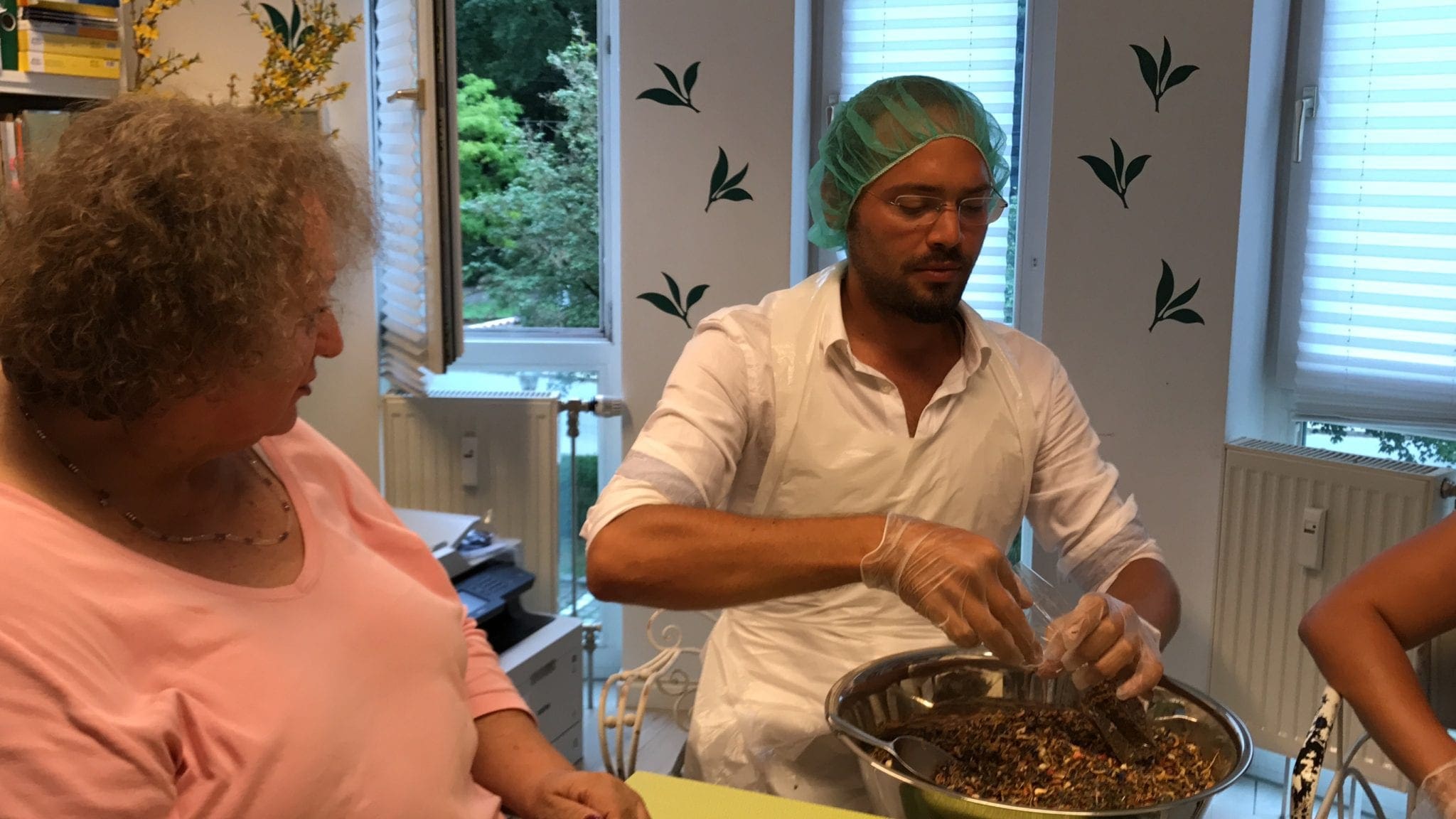
Finally, one more exhibitor was missing, whom we visited the next day in Bad Aibling. The tea ceremony with Christa Kutschera exceeded all our expectations. We were not only treated to the finest chocolate paired with each tea or chai — tea and chai are two fundamentally different things, and to speak of chai tea only shows that one has no idea, as we learned — but also educated in many ways about what truly makes good tea and how to purchase it under fair conditions for the producers.
After all these scenes and impressions, it became clear: Regionality plays a significant role in the Chiemgau region and its surroundings. It's not necessarily about low prices, but rather authenticity, quality, and above all, taste. In the end, we enjoyed both very much: the products we got to taste and our video, which is truly worth seeing. But you'd better see for yourself. –> to the video