GEO is the new SEO: Why we must adapt to AI search
Do you remember the time when SEO simply meant stuffing the right keyword into a text as often as possible? Those days are long gone. But what lies ahead is not a small update – it is a revolution.
Google is currently rolling out the Search Generative Experience (SGE). The goal: to answer search queries directly on the results page using Artificial Intelligence, even before the user clicks on a link.
For companies and marketing managers, the pressing question is: If Google provides the answer, who will still visit my website?
Data from Search Engine Land and other industry observers already show that for certain queries, the traditional click-through rate will decline as users receive their answer directly in the "AI Overview". But: This is no reason to panic. It is the starting signal for GEO (Generative Engine Optimization).
What is GEO actually?
While traditional SEO aims to be found and indexed by a search engine, GEO is about being understood and cited by an AI.
The AI (like Google's Gemini or ChatGPT) not only searches content for keywords but tries to understand contexts to generate a direct answer. If your content is structured in such a way that the AI can easily identify it as a "fact" or "best answer", you will land at the top of the coveted AI snapshot.
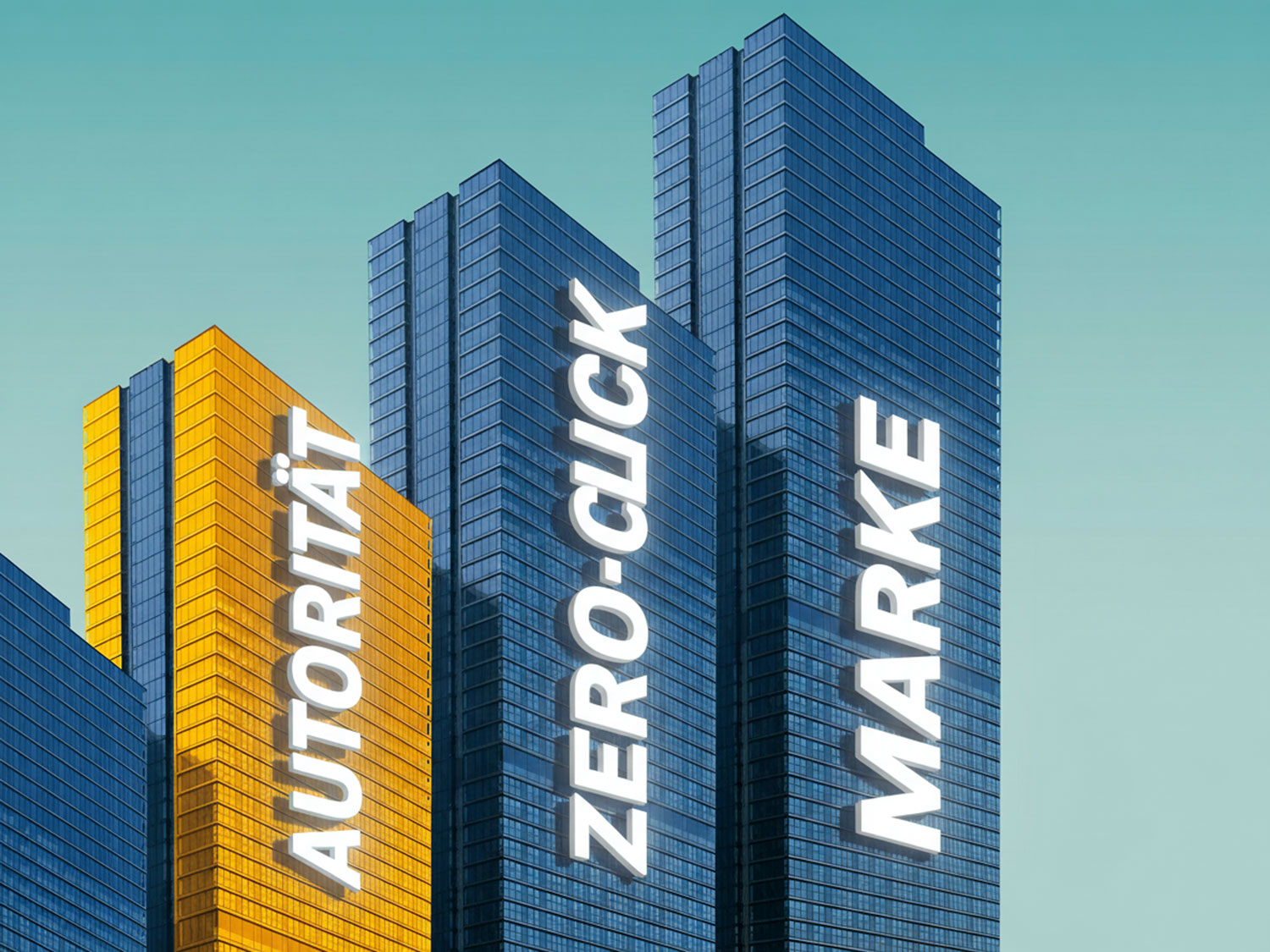
The 3 Pillars of the New SEO Strategy
How do you prepare your website for this era? Here are the three most important levers, based on current research findings:
1. Authority through Facts & Citations (Study-based)
AI-Language Models are essentially statistical probability machines. Their biggest problem is "hallucinations" – inventing facts. To minimize this risk, algorithms prefer content that self-validates.
A study by researchers from Princeton University shows: Content density beats word count. It's no longer enough to write: "Cloud Computing saves costs." For GEO, you need to write: "According to the State of the Cloud Report 2024, 78% of companies reduce their IT costs through cloud migration."
The result is clear: Content that includes citations from relevant sources improves its visibility in AI responses by up to 30%. Adding statistics has an even stronger effect, increasing the chance of a mention by 41%. "E-E-A-T" (Experience, Expertise, Authoritativeness, Trust) is the currency of the future.
2. The "Zero-Click" Optimization
Many users will find their answer directly on Google ("Zero-Click Search"). This initially sounds bad for traffic. But: The traffic that does click through has a much higher purchase intent.
The strategy works like an inverted menu: At the very top of your page must be the "Snackable Answer": A precise definition or list that answers the question in under 50 words. This is the fodder for the AI (the snapshot).
But the AI cannot provide in-depth analyses and emotional strategic advice. That is your "Menu". You provide the snack for Google, but the full menu is only available on your site. This is how you attract qualified users.
3. Optimization for Brand Mentions
In the past, backlinks counted. Today, the "Knowledge Graph" counts. In the world of AI search, your brand is an "entity". The AI learns through association (Co-Occurrence). If your agency brand is repeatedly mentioned in the same sentence with your expert topic on professional portals, podcasts, or press releases, the AI learns: This brand is an authority.
PR and SEO are increasingly merging here. It is often more valuable to be mentioned as an expert in a professional article (even without a link!) than to buy a link from an unrelated site.
Conclusion: No Panic, Just Adaptation
Organic search is not dying; it is just becoming more demanding. Those who still rely on keyword spamming and cheap backlinks will lose. But those who create high-quality, helpful content with genuine expertise – and back it up with data and citations – have the chance to be more prominently placed than ever through GEO.
Are you unsure if your website is "AI-ready"?
Let's take a look at your current SEO strategy together and see where we can leverage for the future.